 I don’t hide my love for Williamsburg, VA. What’s been accomplished by the Williamsburg Foundation is nothing short of marvelous. Ever since my wife and I took our honeymoon there, we’ve been going back. Our kids consider it our vacation spot, which makes me glad. This week we all took a trip down to Williamsburg for Spring Break. It was our first-ever Spring Break trip, and where else would we take it except our vacation spot? Being in Williamsburg during Spring Break is a bit different than heading there during the summer-months, so I’m reflecting
Our over-all experience at Williamsburg was, as usual, spectacular. We learn something new every time we go, and this trip was no different. Of particular interest this trip was what happened in the public Gaol at the time the Colonial government collapsed. We’ve known about the events surrounding the collapse of the government for years, but we’d never imagined what impact it would have had on the courts. In the Colonial government the governor was the head of the high-court, which heard all cased involving felonies. Without the governor to call the court to order, arrested felons continued to fill up the Gaol as they awaited trial – at the height of the problem there were around 70 people packed into a facility designed for perhaps 2 dozen. Not surprisingly, this led to some serious health issues. These issues became so bad, and the wait for a “speedy trial” became so long, that some prisoners actually broke out of the Gaol prior to the establishment of Virginia’s commonwealth government. It’s yet another glimpse into just how disruptive the outbreak of the Revolution was to the social fabric of the Colonies.
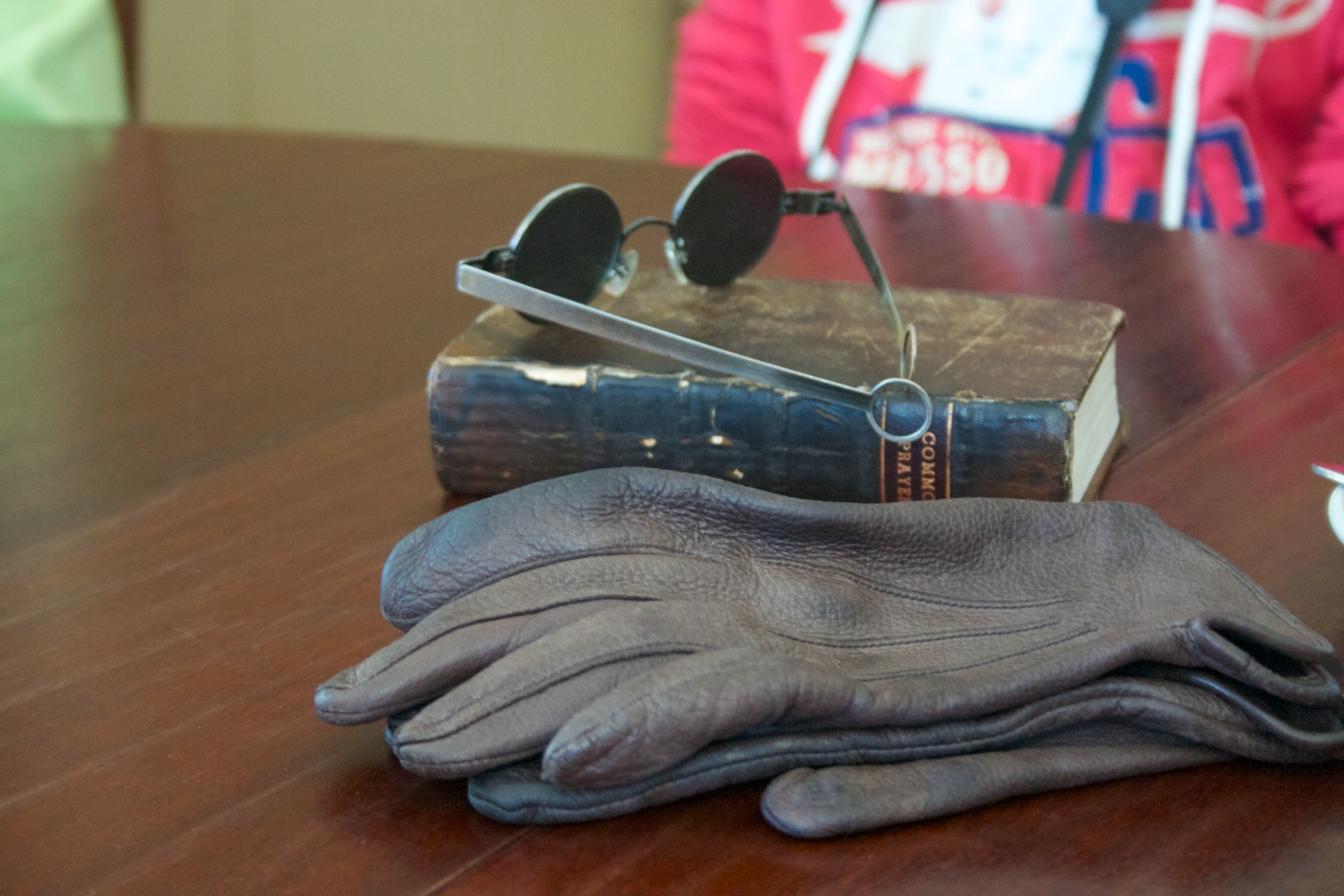
One of the most interesting encounters we had in this historic area occurred in Charlton’s Coffeehouse as we sat down to sample some of their excellent drinking chocolate. As we entered the public room, my son and I were invited to sit down by a man interpreting an Anglican priest. We struck up a conversation and I steered the conversation to the possibility of a non-Anglican being called as chaplain to the delegates who were putting together the framework for the new government. As I expected, he blanched at the possibility (and was particularly put-off at my mention of Patrick Henry) – and then forgave my mistake because I was from New Jersey where we have no established Church. He then went on to inquire as to why New Jersey didn’t just make the Presbyterians the established Church – as they seemed to be everywhere in the Colony thanks to Princeton. When I replied, “Well, New Jersey also welcomes Baptists” he scowled and ended our interview. What fun! He was an amazing interpreter.
April is also Religion in American History month down in Williamsburg, which led to my last treat on the trip. Thursday afternoon I went to a presentation on American folk hymns. For an hour Timothy Seaman shared stories and performed several folk tunes which became attached to hymns as settlers moved West. Of all the stories which he told, the most interesting is tied to the tune normally associated with “What wondrous love is this?” Apparently, the tune is derived from a broad-sheet ballad first sold at the hanging of Captain Kidd!
Here’s the lyrics (from here):
My name was Robert Kidd, when I sailed, when I sailed;
My name was Robert Kidd, when I sailed;
My name was Robert Kidd, God’s laws I did forbid,
So wickedly I did when I sailed, when I sailed
So wickedly I did when I sailed.
These experiences are why we keep going back. What the Colonial Williamsburg Foundation has accomplished is truly unique, and well worth the trip.
Discover more from Painfully Hopeful
Subscribe to get the latest posts sent to your email.

Nice post! I also love going to Colonial Williamsburg with my family, we go every summer! This past summer we actually found another gem several miles from Williamsburg, a lovely plantation home. Carter’s Grove is an exquisite 18th century mansion, with classic architecture. The home was actually bought by Hasley Minor, a tech pioneer who founded CNET. This was definitely a wise investment indeed! We are definitely going back there in June!
We went there back when it was owned by the Williamsburg foundation and loved it – particularly the archeology museum they had there, as well as the country road you could take back to the historic area proper.